

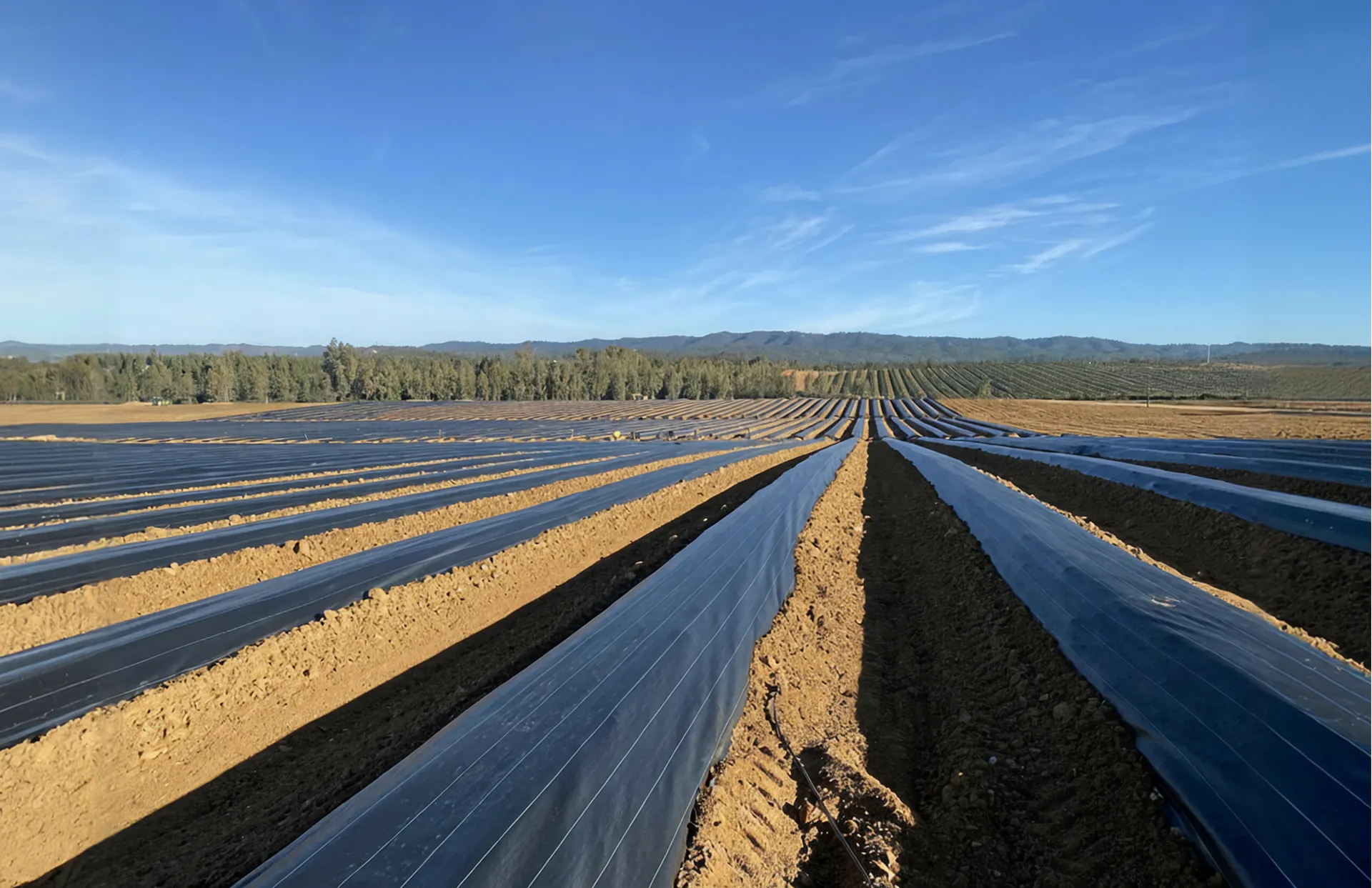

GROUNDCOVER
Weed Control Fabric Weed control without herbicides
Professional woven polypropylene landscape fabric and weed barrier: total weed control without herbicides. Permeable to water and air, UV-stabilised for maximum outdoor durability. Made in Spain since 1949.


EU
Weed control ground cover fabric: clean soil without herbicides
Weed control ground cover fabric — also known as anti-weed mesh, weed control fabric, ground cover fabric, soil cover or ground cover agrotextile — is a woven polypropylene physical barrier that blocks sunlight and prevents weed germination without herbicides. Unlike herbicide, it leaves no chemical residues in the soil or the crop. Unlike plastic, it lets rainwater and irrigation through and lets the soil breathe. The result: permanently clean soil, 20–30% water savings and better fruit quality — with no recurring maintenance.
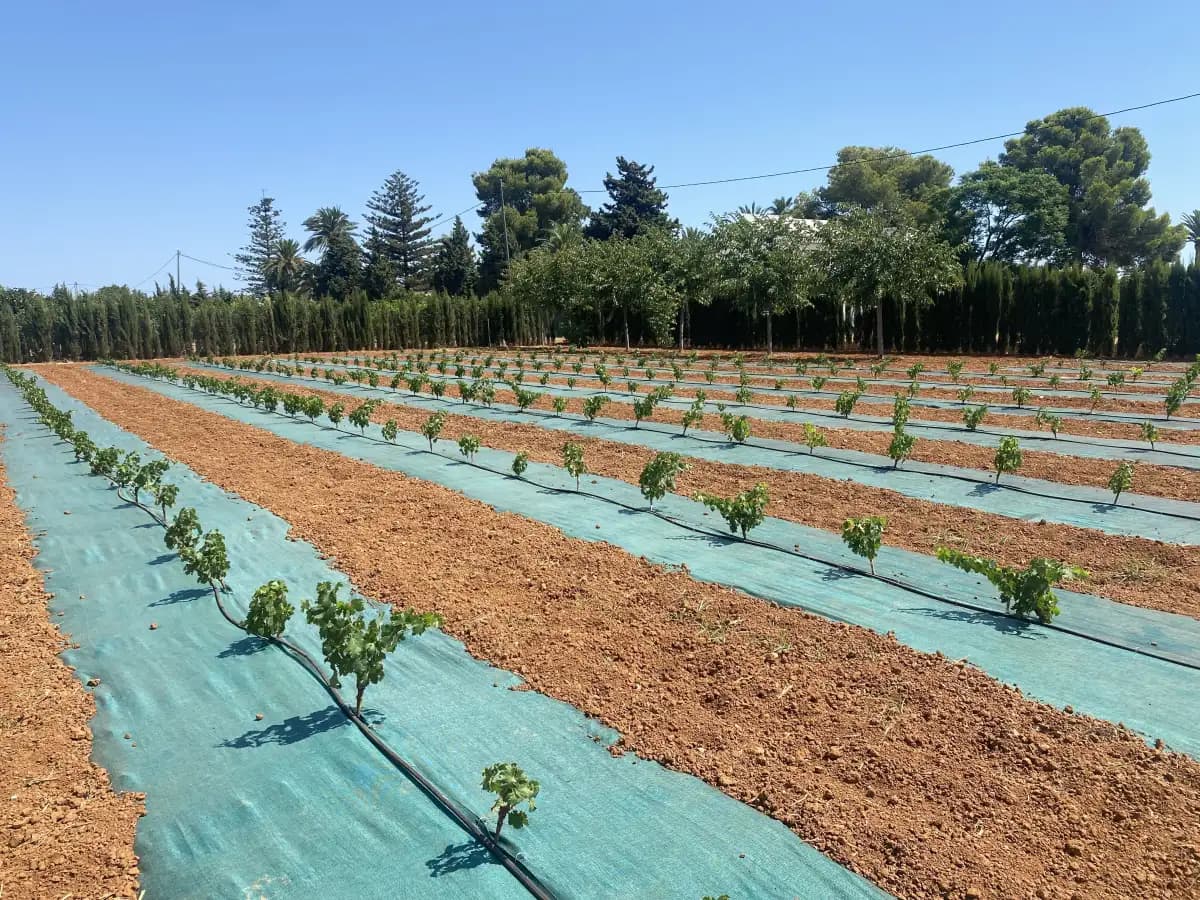
How weed control fabric works
UV-stabilised woven polypropylene that withstands Mediterranean sunlight without fragmenting like extruded plastic. Permeable to water and air, so roots stay oxygenated and the soil keeps its microbiological activity. Weights from 90 to 130 g/m², widths from 1.05 to 5.25 m, and planting marks in rows or a grid to match your planting layout.
Spanish manufacturer since 1949. ISO 9001 quality certified by Bureau Veritas. Made to measure, permanent stock and production to order.
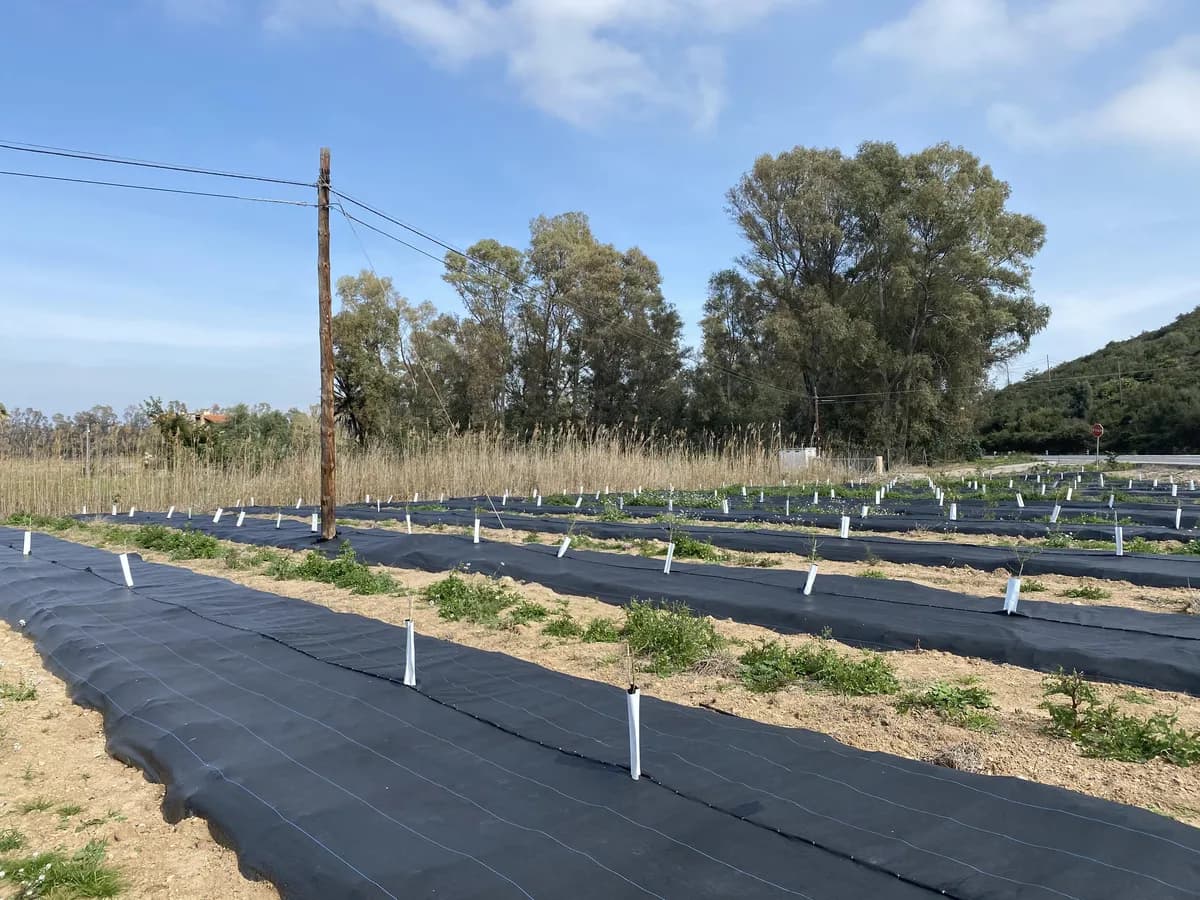
What problems does weed control fabricsolve?
Complete elimination
of weeds
Physical blocking of sunlight that prevents the germination of weeds, including the toughest — nutsedge, couch grass and bindweed. Permanently clean soil with no manual intervention.
Increases productivity
of the plant
By removing competition for water, nutrients and light, the crop has all the soil's resources to itself. Higher yield per hectare and more vigorous plants.
Water savings
20-30%
Ground cover fabric reduces direct evaporation from the soil, keeping root-zone moisture for longer between irrigations. Significant water savings in both rain-fed and irrigated crops.
Enhanced colouration
and fruit size
White weed control fabric reflects sunlight up into the canopy, improving skin colouration, fruit size and firmness. A product of higher commercial value on the fresh market.
Natural oxygenation
of the soil
The woven structure allows air circulation and gas exchange, promoting microbial activity and root respiration. It prevents the suffocation and waterlogging caused by plastic and compacted geotextile.
Savings on herbicides
and labour
Replaces recurring chemical treatments and manual weeding. Direct savings on product, applications and labour every season. A one-time investment that pays for itself against the rising cost of herbicides and labour.
Permeable to water
of irrigation and rainwater
Lets rainwater and irrigation reach the roots while blocking sunlight. Compatible with drip and sprinkler irrigation. Unlike extruded plastic, it does not waterlog the soil.
Ecological — compatible
with sustainable farming
A chemical-free mechanical solution, accepted under organic production protocols, zero-residue farming and GlobalG.A.P. certifications. Compatible with sustainable agriculture and European regulations on reducing plant protection products.
Planting markers
rows or grid
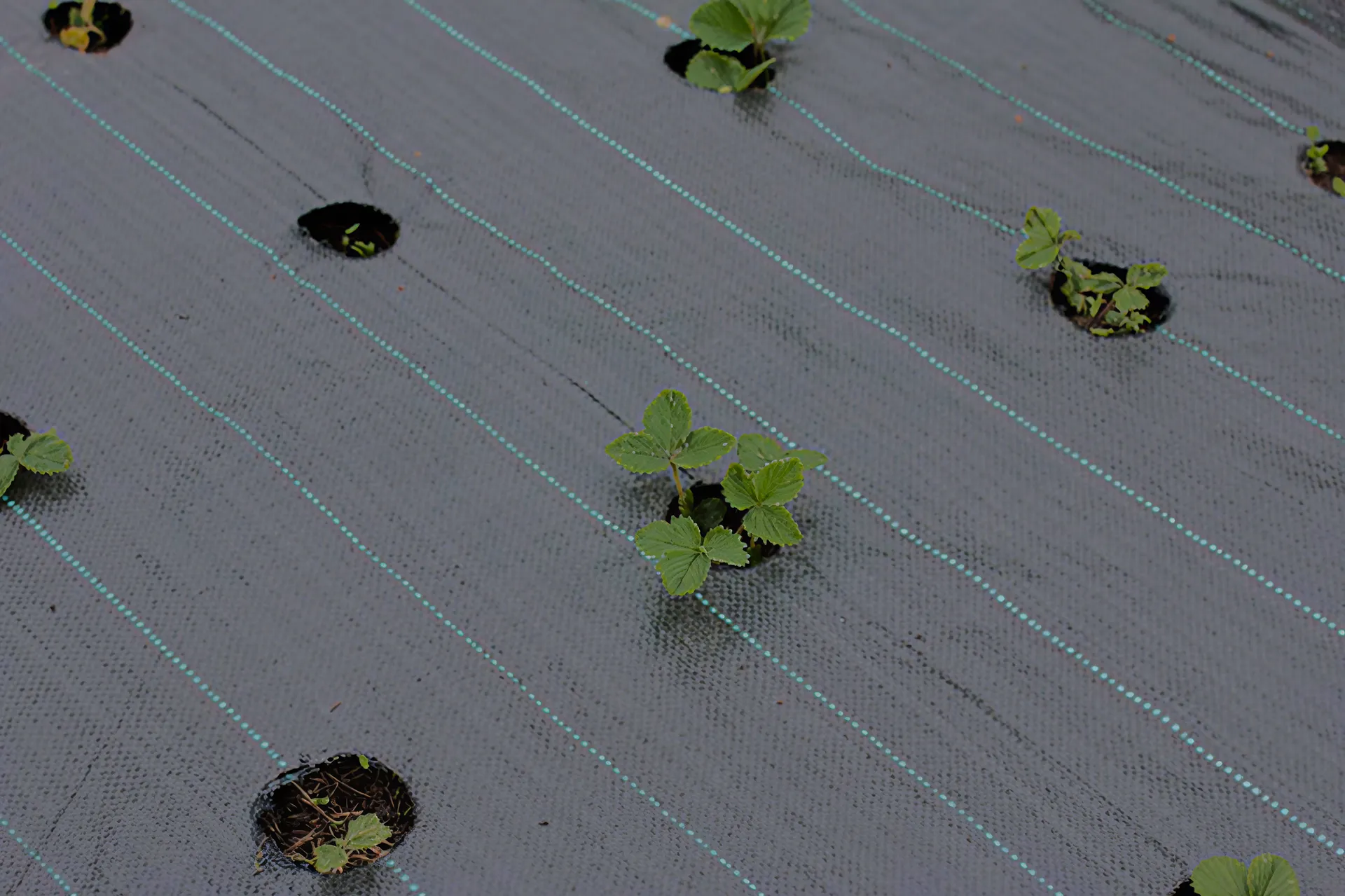
Available with longitudinal lines (recommended for open-field crops) or a grid (ideal for nurseries and container plantations). The woven guide lines make alignment and precise cutting easier during installation.
Long service life
with UV stabilisation
UV-stabilised polypropylene that withstands Mediterranean solar radiation without fragmenting like extruded plastic. It pays for itself quickly against the annual cost of herbicides. Long service life — consult according to your geographical area.
Need personalised advice?
Contact usWeed control fabric:
polypropylene or biodegradable
Two materials, the same effectiveness against weeds. Choose long-lasting polypropylene or biodegradable to suit your crop's needs. Both are compatible with organic farming and available in various colours and weights.
Polypropylene (PP)
Standard material with UV stabilisation for maximum durability. Ideal for permanent woody crops seeking a long-term investment with minimal maintenance.
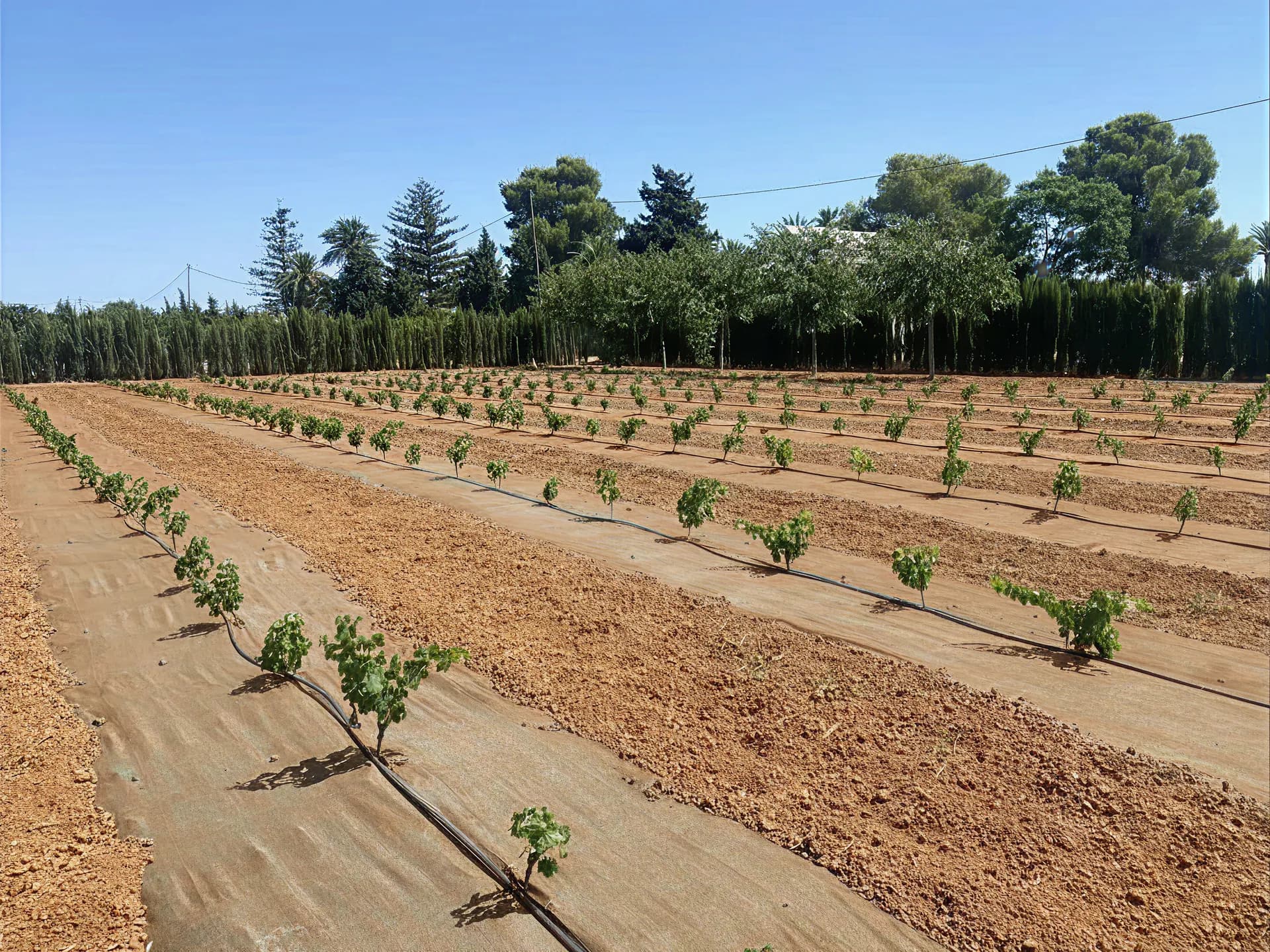
Biodegradable
100% biodegradable, 100% bio-based woven PLA (polylactic acid) fabric — biodegradable in industrial composting. Same technical performance as polypropylene: permeable, tear-resistant and UV-stabilised. Certified OK Compost and OK Biobased 4-star. Ideal for rotation crops or plantings where permanence is not required.
Technical specifications of weed control ground cover fabric
| Property | Polypropylene (PP) | Biodegradable |
|---|---|---|
| Material | Woven polypropylene (PP) | PLA (polylactic acid) from maize starch — 100% bio-based |
| Weight | 100, 105 and 130 g/m² | 130 g/m² |
| UV stabilisation | Yes — maximum outdoor durability | Yes — UV-stabilised for high outdoor durability |
| Water permeability | Yes — permeable woven structure | Yes — permeable woven structure |
| Air permeability | Yes — soil gas exchange | Yes — soil gas exchange |
| Available colours | Black, greenish, white, brown, two-tone | Brown, black |
| Standard widths | 1.05 — 1.50 — 2.10 — 3.30 — 4.20 — 5.25 m | 1.05 — 1.50 — 2.10 m |
| Made to measure | Panels joined by sewing or heat-welding for widths beyond standard | Panels joined by sewing or heat-welding for widths beyond standard |
| Roll length | 100 m, 250 m, 500 m, 1,000 m | 100 m, 250 m, 500 m, 1,000 m |
Material
Woven polypropylene (PP)
Weight
100, 105 and 130 g/m²
UV stabilisation
Yes — maximum outdoor durability
Water permeability
Yes — permeable woven structure
Air permeability
Yes — soil gas exchange
Available colours
Black, greenish, white, brown, two-tone
Standard widths
1.05 — 1.50 — 2.10 — 3.30 — 4.20 — 5.25 m
Made to measure
Panels joined by sewing or heat-welding for widths beyond standard
Roll length
100 m, 250 m, 500 m, 1,000 m
Specifications shown are indicative. Refer to the product data sheet for definitive figures.
Values shown are indicative and subject to manufacturing tolerances (±5% dimensional, ±10% mechanical). Data does not constitute contractual specifications.
Available colors
Request a no-obligation quote
Get a quoteGround cover weed barrier: comparison
Herbicides vs. Textil Villa de Pego Ground Cover
Applications of weed control fabric by crop
Professional agricultural ground cover fabric is effective for weed control on any woody crop with a defined planting pattern. Also ideal for paths, nurseries and landscaping.

Citrus
View solutions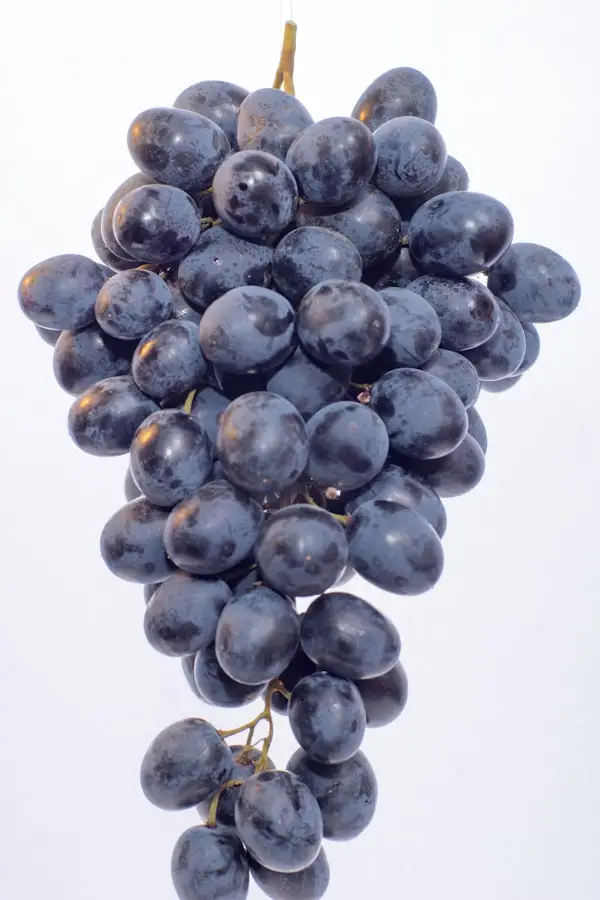
Vineyard
View solutions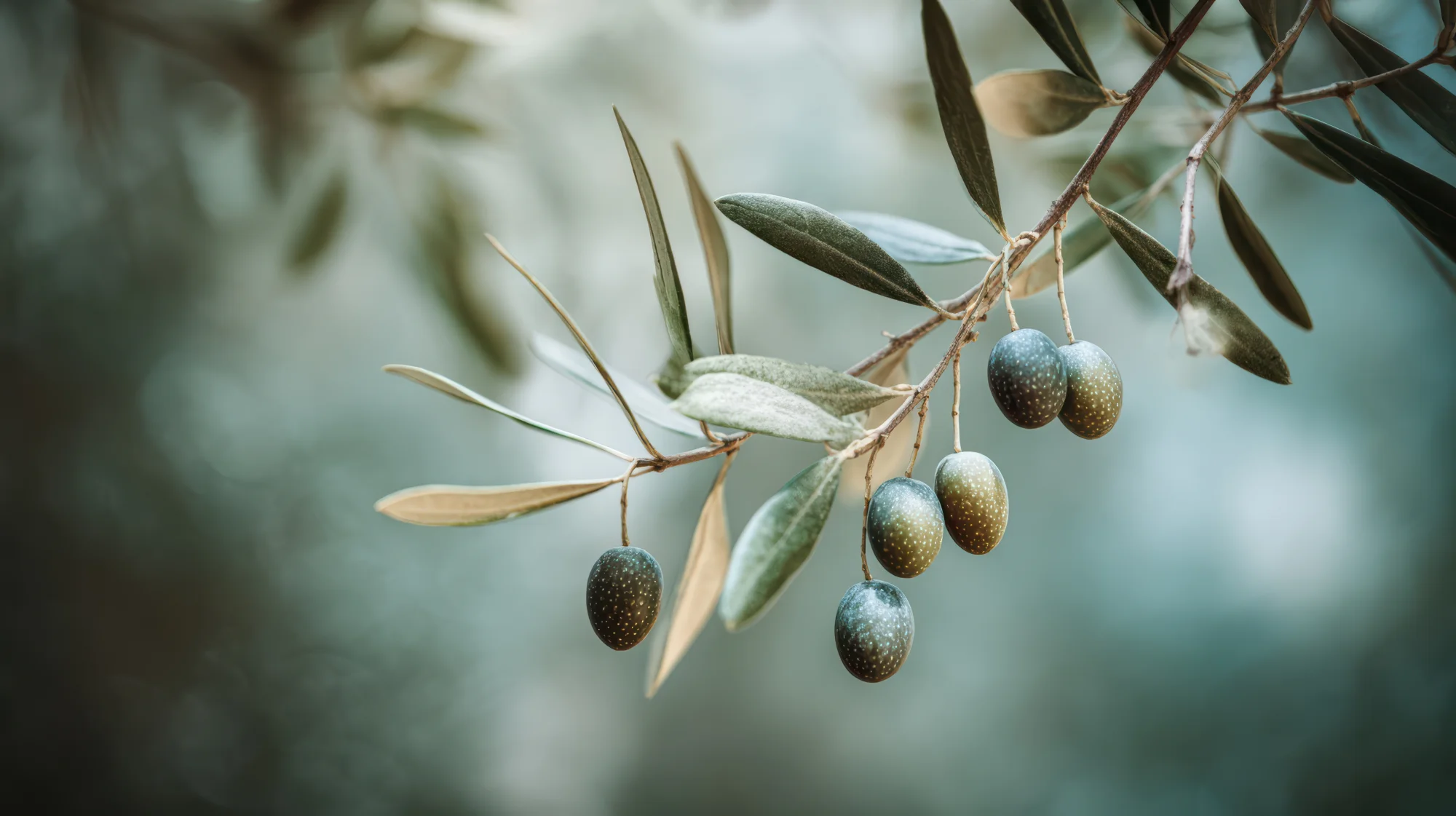
Olive grove
View solutions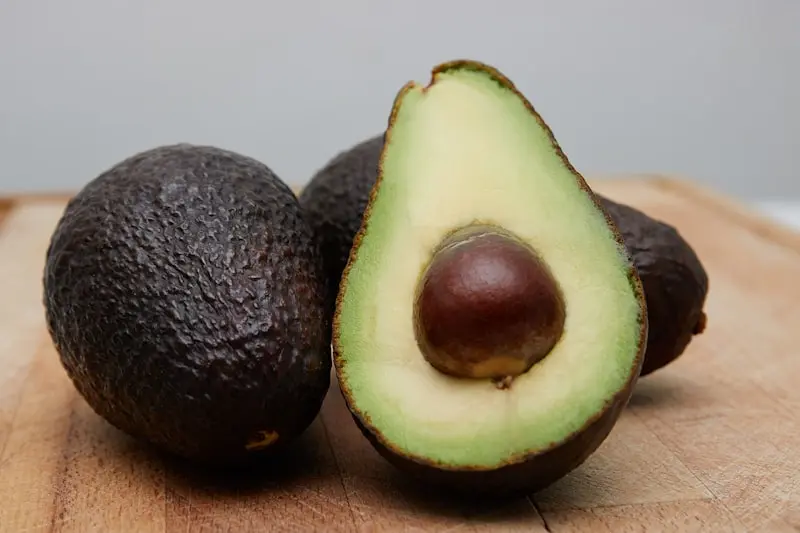
Avocado
View solutions
Berries
View solutions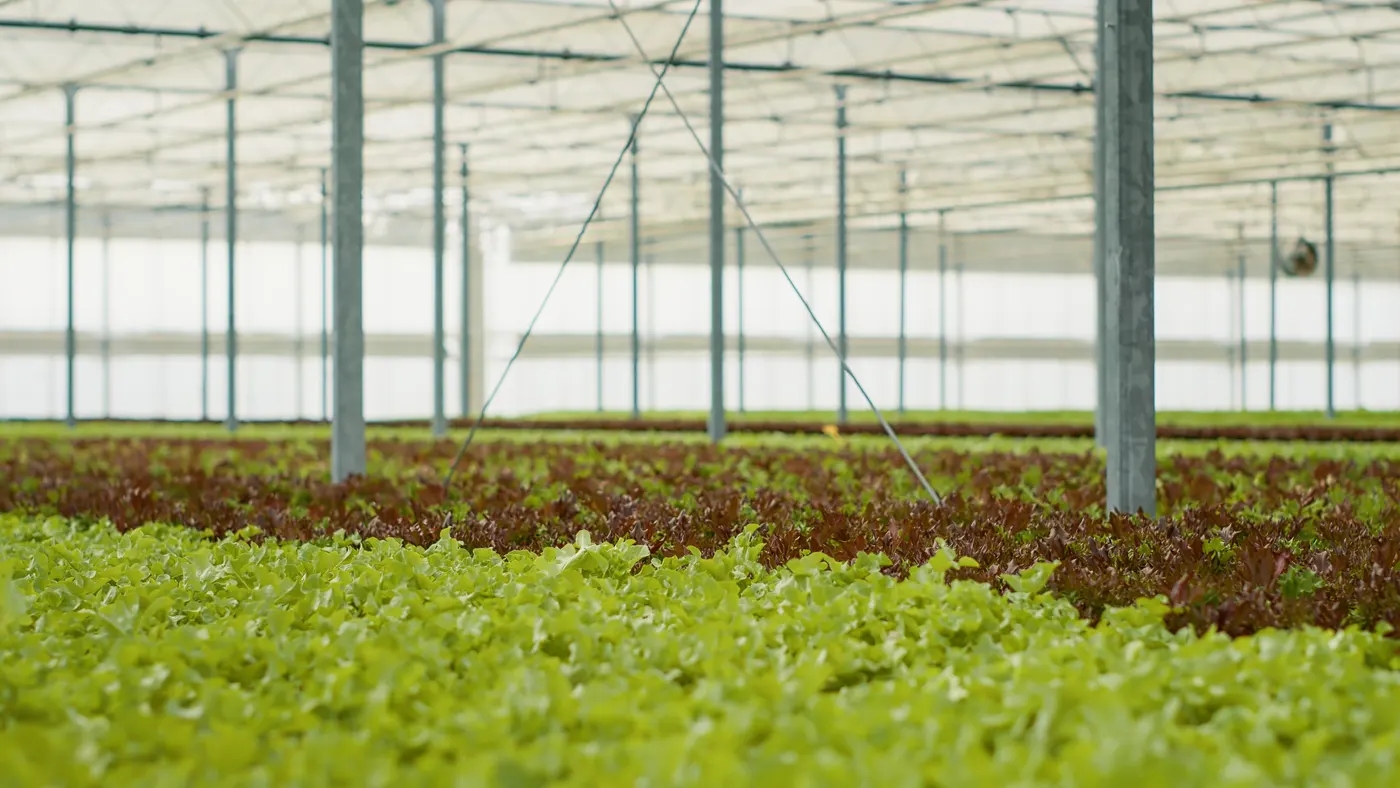
Horticulture
View solutions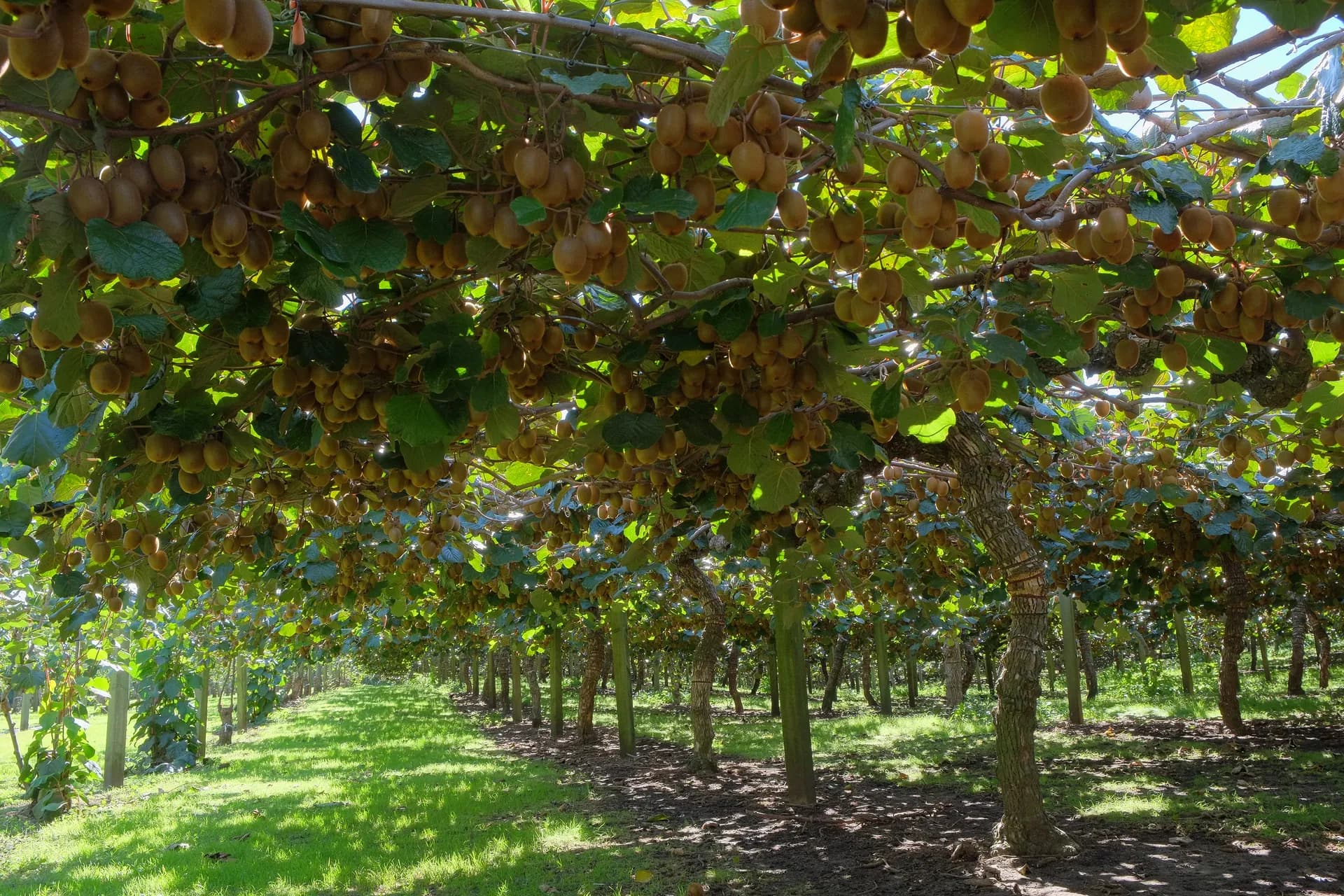
Kiwi

Stone fruit
View solutions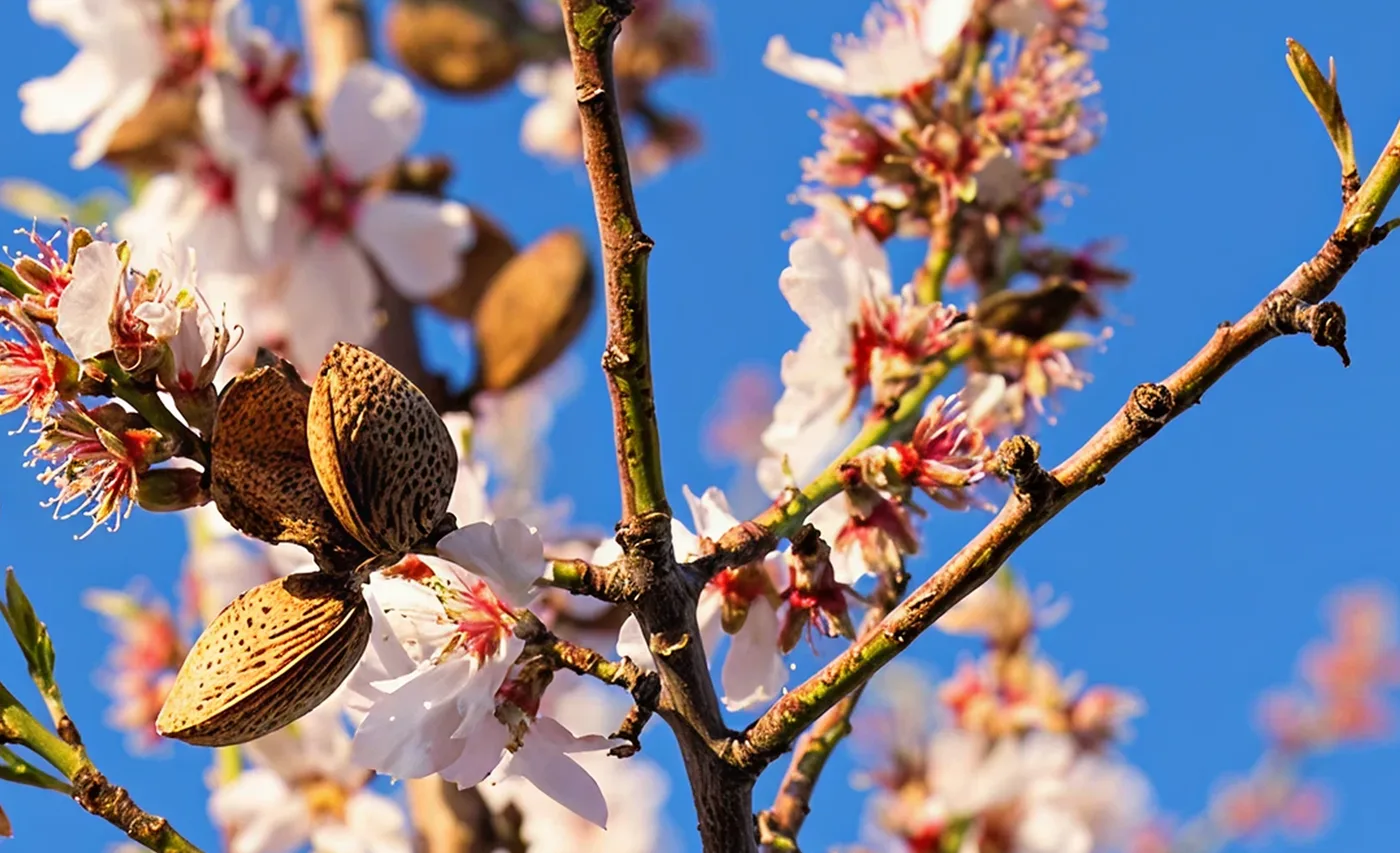
Almond trees
View solutions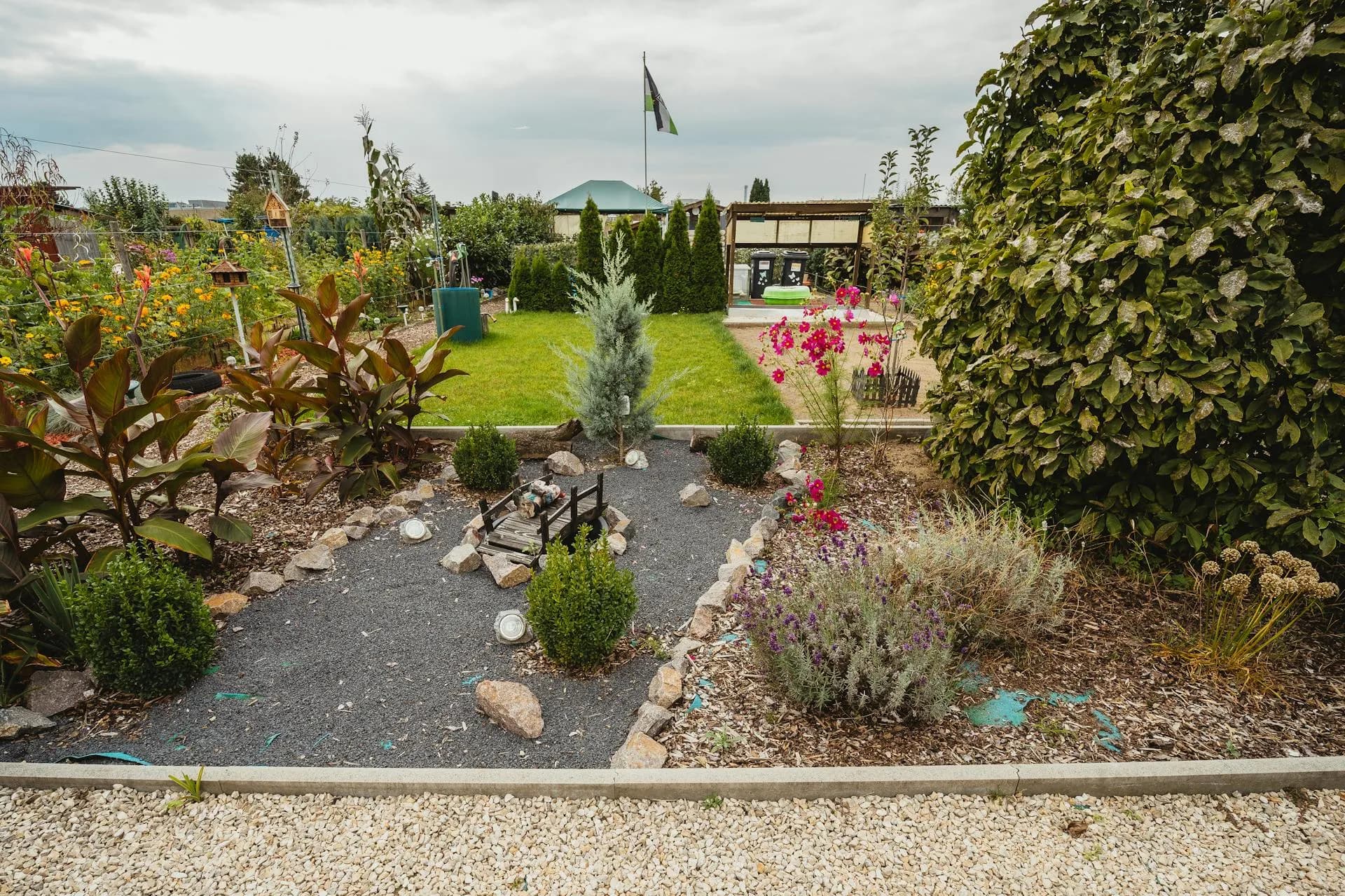
Landscaping & paths
Check availability for your crop
EnquireRelated products for ground cover fabric
Complete your ground cover installation with accessories designed to maximise performance and durability.
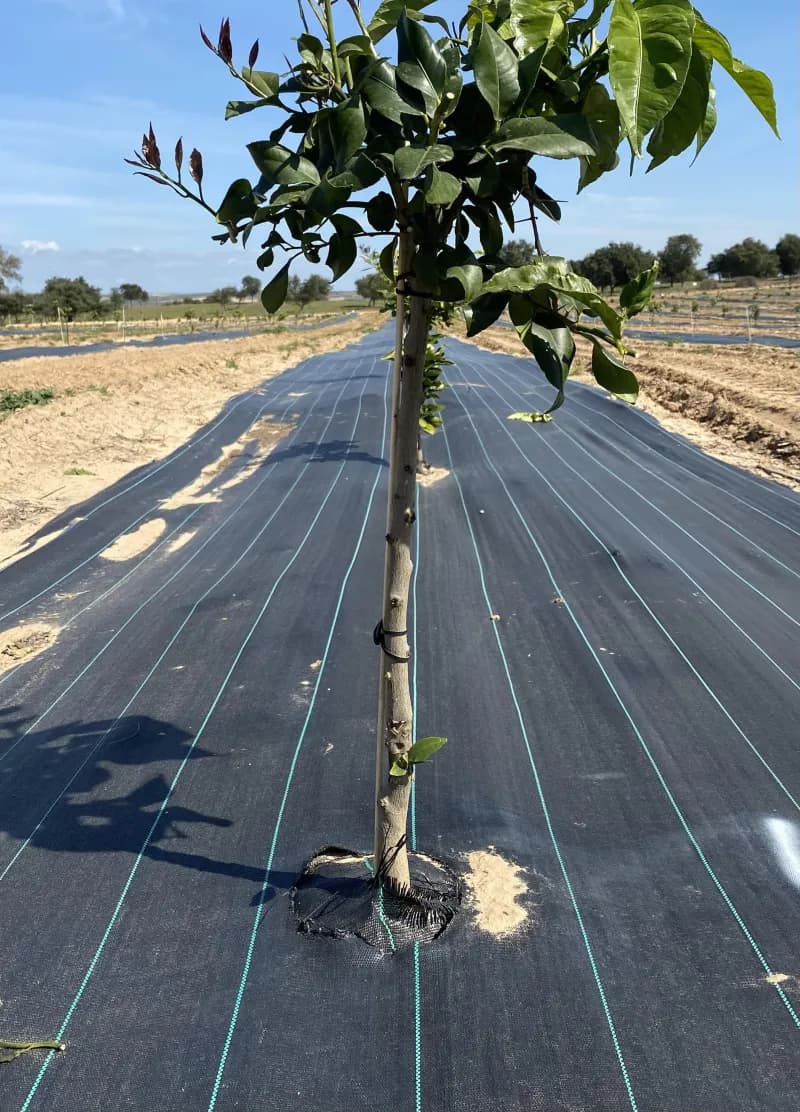
Tree bibs
Rectangular ground cover cut-outs placed around the trunk of each tree. Individualised weed protection in the root zone, easy to install and remove.
Enquire about tree bibs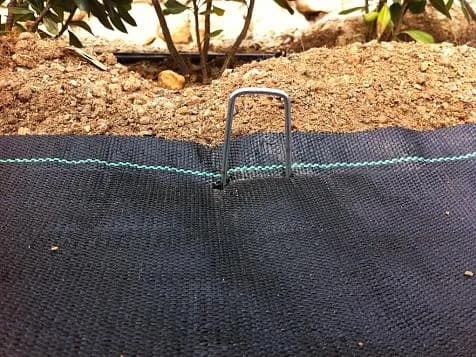
Fixing pegs
Metal staples for anchoring the ground cover fabric to the terrain. Ensures the fabric stays in position against wind and the passage of agricultural machinery.
View accessoriesHow to install weed control fabric: step-by-step guide
Ground cover fabric is installed in much the same way in orchards, vineyards, greenhouses and gardens, with small variations depending on the application. Follow these steps for a professional, long-lasting installation.
Clear and prepare the ground
Remove all existing weeds, either by hand or with a brushcutter. Clear away stones, roots and plant debris. Clean soil stops weeds piercing the fabric from below.
Level the surface
Smooth the ground so the fabric lies flat without pockets or folds. On sloping ground, lightly compact the soil to prevent movement after installation.
Unroll along the row
Roll the fabric out directly over the ground along the planting row, pulling it taut to remove wrinkles. At the end of the row, cut leaving a 15-20 cm margin for anchoring. Textil Villa de Pego's woven planting marks make alignment easy.
Tension and fit to the ground
Pull the ends so the fabric sits tight against the soil, without pockets or folds. Good ground contact stops the wind lifting it and improves weed suppression.
Overlap joints by 10-15 cm
If you need several strips, overlap the edges by 10 to 15 cm to stop weeds growing through the joints. In areas with strong winds, increase the overlap to 20 cm.
Fix with pegs every 50-100 cm
Anchor the fabric to the ground with metal staples or fixing pegs, placing them every 50-100 cm along the edges and every 100 cm on the joints. On sandy or windy ground, reduce the spacing between pegs.
Openings for the plants
Two options: (1) make X-shaped or vertical cuts at each plant position, using the woven planting marks as a guide; or (2) use two strips of fabric that meet along the planting line and secure them with staples — giving you access to the plant without cutting the fabric.
Check and finish the edges
Bury or anchor the outer edges of the fabric so the wind cannot lift it. Go over all the fixings and check there are no slack areas or gaps between strips.
Orchards and vineyards
In citrus, olive or vineyard plantations, lay the fabric along the tree row, leaving a clear alley for machinery. Place drip irrigation beneath the fabric to cut evaporation and maximise water savings.
Landscaping and paths
For gravel paths or gardens, lay the fabric over the whole surface and cover it with a 5-8 cm layer of decorative aggregate, pine bark or gravel. The top layer shields the fabric from UV radiation and extends its life.
Greenhouse and nursery
In greenhouses, ground cover fabric is laid directly on levelled soil, covering walkways and growing areas. It improves greenhouse hygiene, reflects light (in white) and makes cleaning and drainage between beds easier.
Frequently asked questions about weed control ground cover fabric
How do you lay weed control fabric?
Weed control fabric is rolled out over clean, level ground and fixed with metal pegs or staples every 50-100 cm. Overlap the edges by 10-15 cm to stop weeds growing through the joints. Make X-shaped cuts for existing plants. It can be installed above or below the drip irrigation line. On sloping ground, lay the fabric perpendicular to the slope.
Which anti-weed mesh is best?
The woven polypropylene one, with UV stabilisation and a weight of 100-130 g/m². That combination guarantees total light blocking, water permeability and long outdoor durability. For permanent woody crops (citrus, olive, vineyard), 130 g/m² for greater mechanical strength. Consult our technical team for a tailored recommendation.
Anti-weed mesh or geotextile: which is better?
Woven polypropylene anti-weed mesh and non-woven geotextile serve different functions. Anti-weed mesh (woven ground cover) is designed to block light and control weeds while remaining permeable to water and air. Non-woven geotextile is used for layer separation, filtration and drainage in civil engineering. For agricultural weed control, woven anti-weed mesh is the correct choice. Both products are manufactured by Textil Villa de Pego.
Does the fabric allow irrigation water through?
Yes. The woven polypropylene structure is permeable to water and air. Rainwater and irrigation water penetrate the fabric down to the soil, while weeds do not receive the light needed to germinate. The woven structure ensures efficient drainage with no waterlogging. Compatible with both drip and sprinkler irrigation.
Black or white anti-weed mesh: which to choose?
White anti-weed mesh reflects solar radiation, reduces soil temperature and improves fruit colour and size by reflecting light toward the canopy. It is the professional choice for fruit trees and quality crops. Black anti-weed mesh absorbs more heat, which may be preferable in cold climates or to advance harvests. Textil Villa de Pego manufactures ground cover in white, black, brown, greenish and two-tone.
See available coloursHow much does anti-weed mesh cost?
The price of anti-weed mesh depends on the weight, roll width, colour and quantity ordered. Textil Villa de Pego is a manufacturer with in-house production since 1949 and works with professionals, cooperatives and distributors. Request a no-obligation personalised quote specifying the dimensions, weight and quantity you need.
How long does anti-weed mesh last?
How long the anti-weed mesh lasts depends on the weight (100, 105 and 130 g/m²), sun exposure and the climate in your area. Textil Villa de Pego's UV stabilisation maximises outdoor service life. Contact our technical team for a tailored estimate based on your geographic zone and crop.
What weight of anti-weed mesh should I choose?
For permanent woody crops (citrus, olive, vineyard, almond): 100–130 g/m² for greater durability and mechanical resistance. For horticulture, greenhouse or temporary uses: 90 g/m² is sufficient. The 130 g/m² weight is the most popular professional option. Consult with our technical team at Textil Villa de Pego for a personalised recommendation.
Can you plant on top of anti-weed mesh?
Yes. X-shaped or circular cuts are made at each plant position. The woven planting marks make alignment easier: available as longitudinal lines (recommended for open-field growing) or as a grid (ideal for nurseries and container-grown plants). Custom spacings to match your crop's planting pattern.
Is anti-weed mesh compatible with organic farming?
Yes. Anti-weed mesh is a mechanical solution, without herbicides or chemicals, accepted in organic and zero-residue production protocols. It is compatible with GlobalG.A.P. certifications and EU organic farming regulations. A sustainable alternative to herbicides for weed control.
Biodegradable or polypropylene weed control fabric?
Biodegradable weed control fabric is made from PLA (polylactic acid) derived from maize starch, 100% bio-based and OK Compost certified. It is biodegradable in industrial composting. Ideal for annual crops or short rotations. UV-stabilised polypropylene fabric lasts for many seasons and is more cost-effective in permanent plantations such as orchards, vineyards or olive groves. Textil Villa de Pego offers both options.
What is the difference between weed control fabric and weed membrane?
They are the same product under different names. In the UK: weed control fabric, ground cover fabric or weed membrane — often referred to generically as Mypex®. In the US: landscape fabric or weed barrier. In Australia: weed mat or weed matting. In Spain, 'malla antihierbas' or 'malla cubresuelos'. In Latin America, 'malla antimaleza' or 'tela ground cover'. In each market these are the names for this product — a woven physical barrier that stops weeds growing without herbicides.
Weed control fabric for paths, gravel and landscaping?
Yes. Ground cover fabric is laid under gravel, pine bark or decorative aggregates to stop weeds pushing through the surface. It separates layers, stabilises the ground and keeps paths clean with no maintenance. Available in widths up to 5.25 m to cover large areas.
Related agricultural meshes
Explore other agrotextiles from Textil Villa de Pego that complement the ground cover weed barrier on your farm.
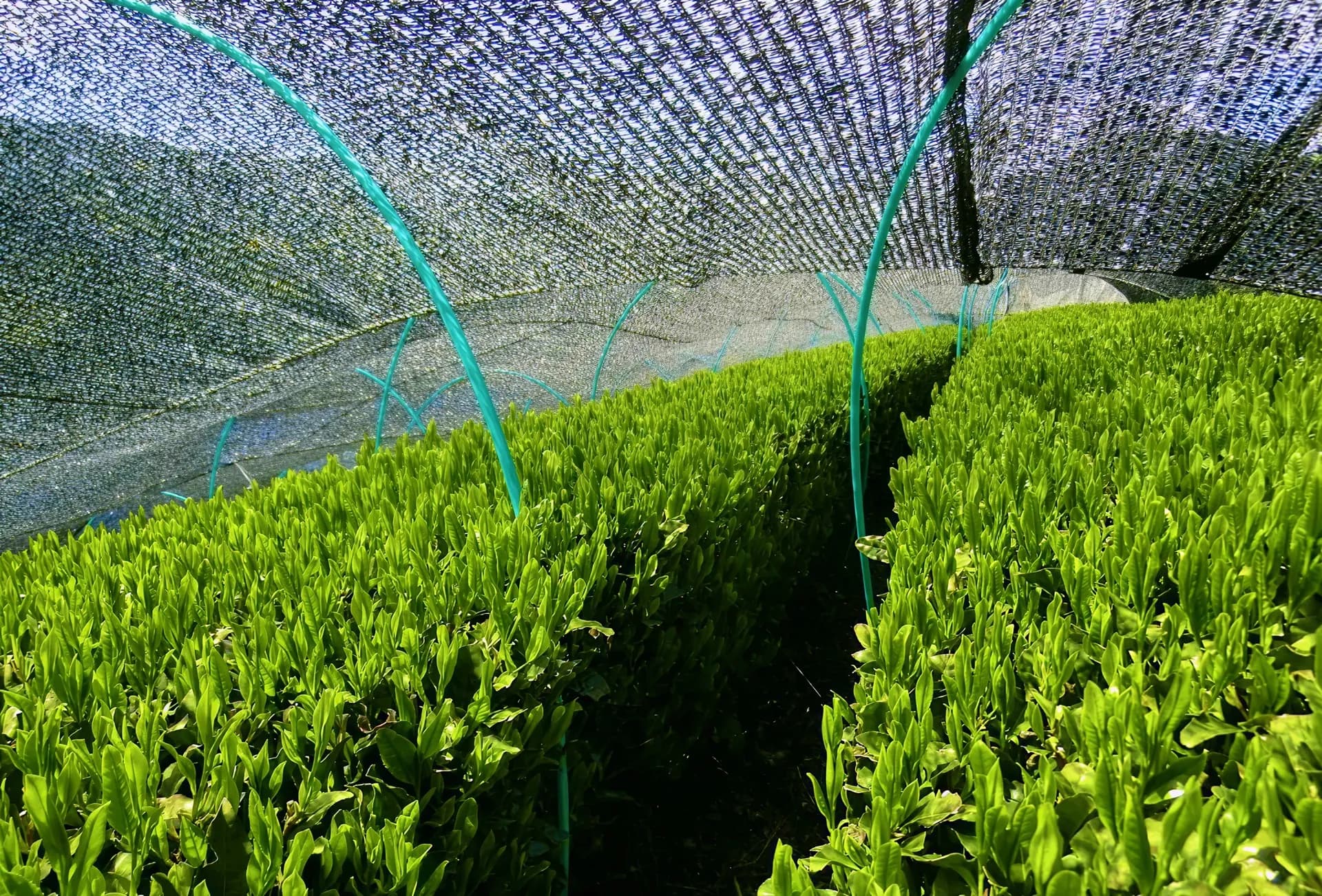
Shade netting
Thermal and light control from 30% to 90%. Ideal for protecting crops sensitive to excessive radiation.
See shade netting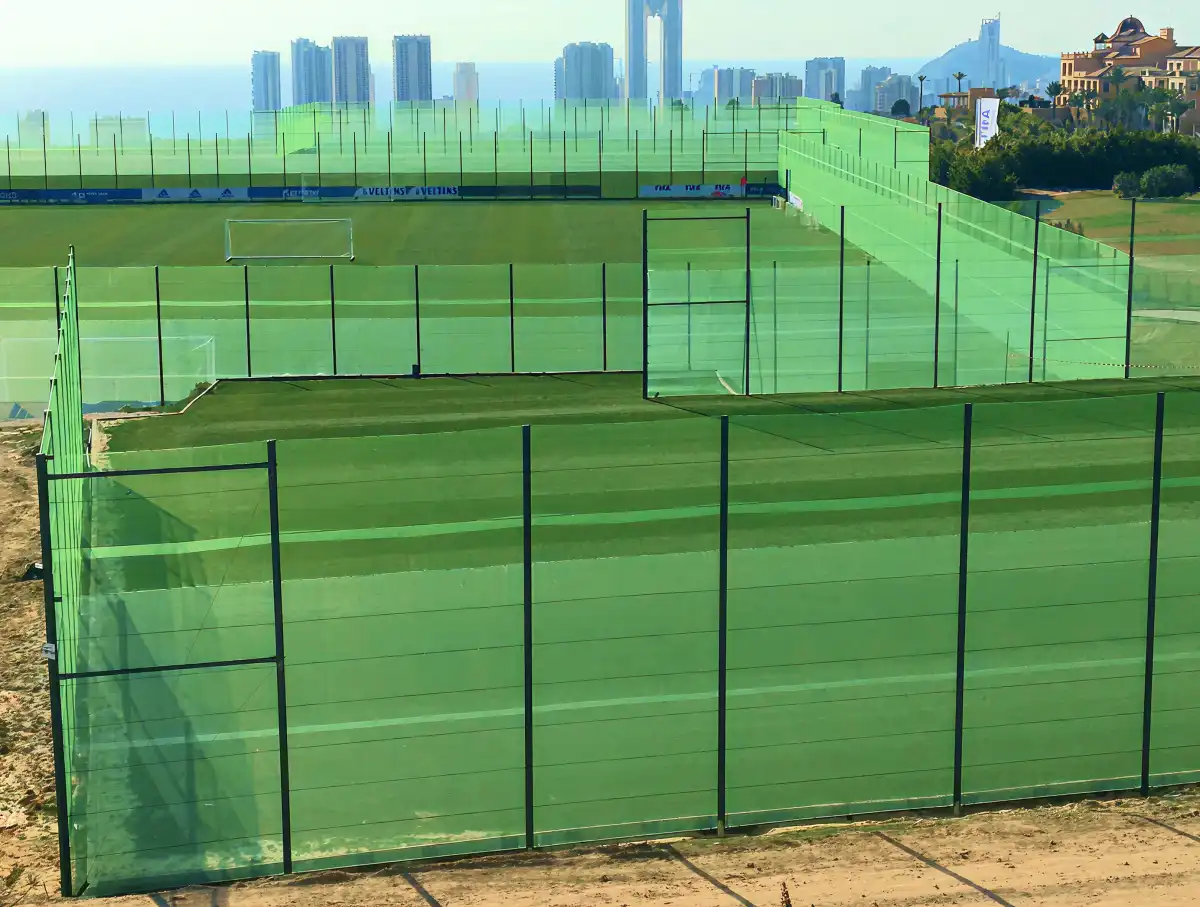
Windbreak netting
Reduces wind speed by up to 70%. Protection for young plantations and exposed crops.
See windbreak netting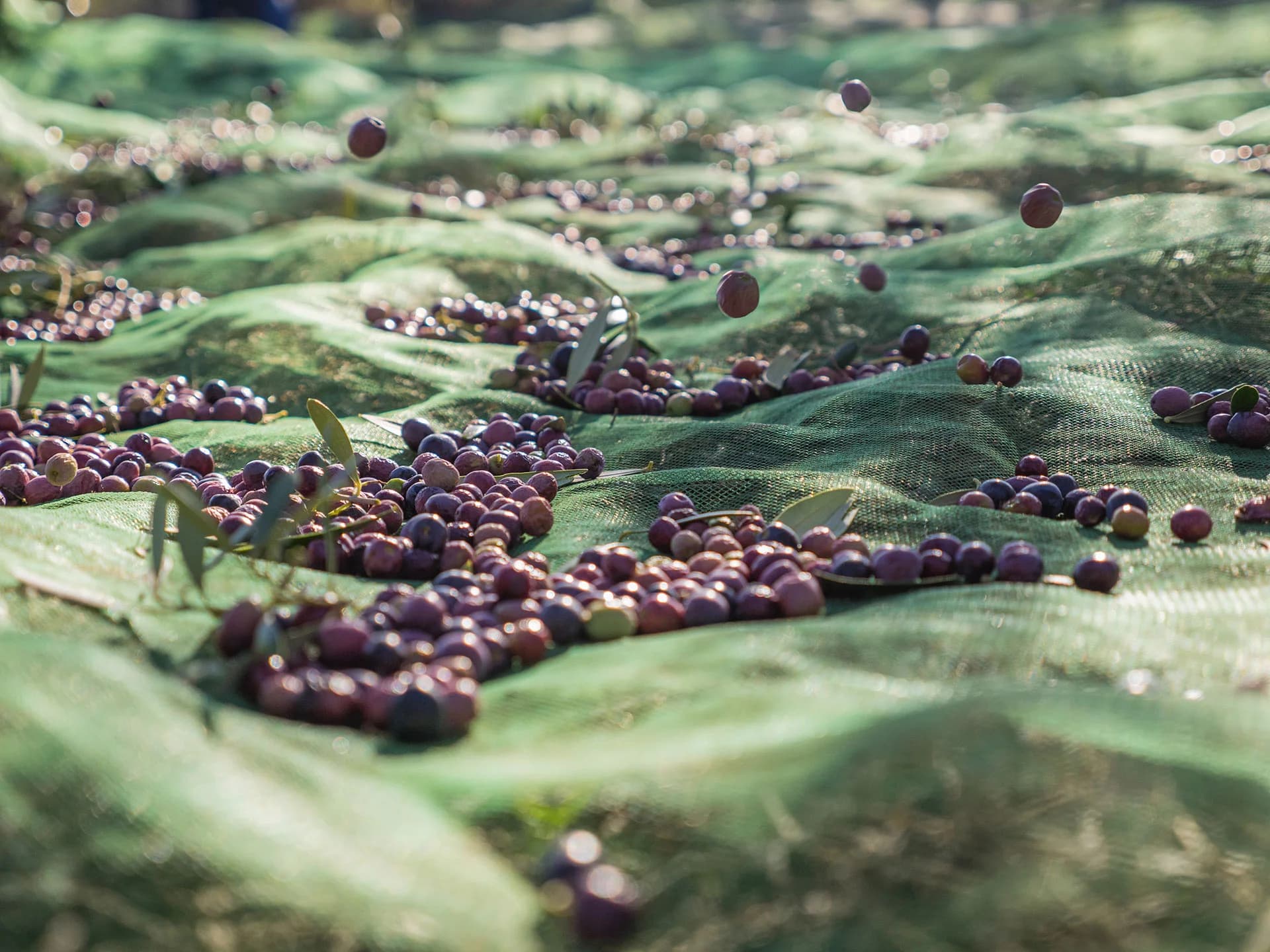
Harvest sheet
Clean olive and fruit harvesting without ground contact. Ideal complement to ground cover in olive groves.
See harvest sheet
All agrotextiles
Explore the full range of agricultural meshes: anti-hail, shade, windbreak, anti-insect and more.
See all agrotextilesLet’s talk about your project
Receive a personalised quote within 24 hours. No obligation.
WWW.TEXTILVPEGO.COM
Manufacturers since 1949